
English| EUR
Suggested for you
More currencies
Choose a language
Luxor receives over four million visitors annually, most of whom explore the Nile River corniche and archaeological sites without incident. Understanding local conditions, common-sense precautions, and the specific environment along the riverfront helps travelers navigate the city confidently.
Quick answer
Luxor is generally safe for visitors, with low rates of violent crime and a visible tourism police presence along the Nile corniche and major archaeological zones. Petty issues like persistent vendors and occasional taxi pricing disputes are more common than serious safety threats. Standard precautions—staying aware of surroundings, avoiding unlit areas after dark, and using registered transportation—address most concerns travelers encounter along the riverfront and temple districts.
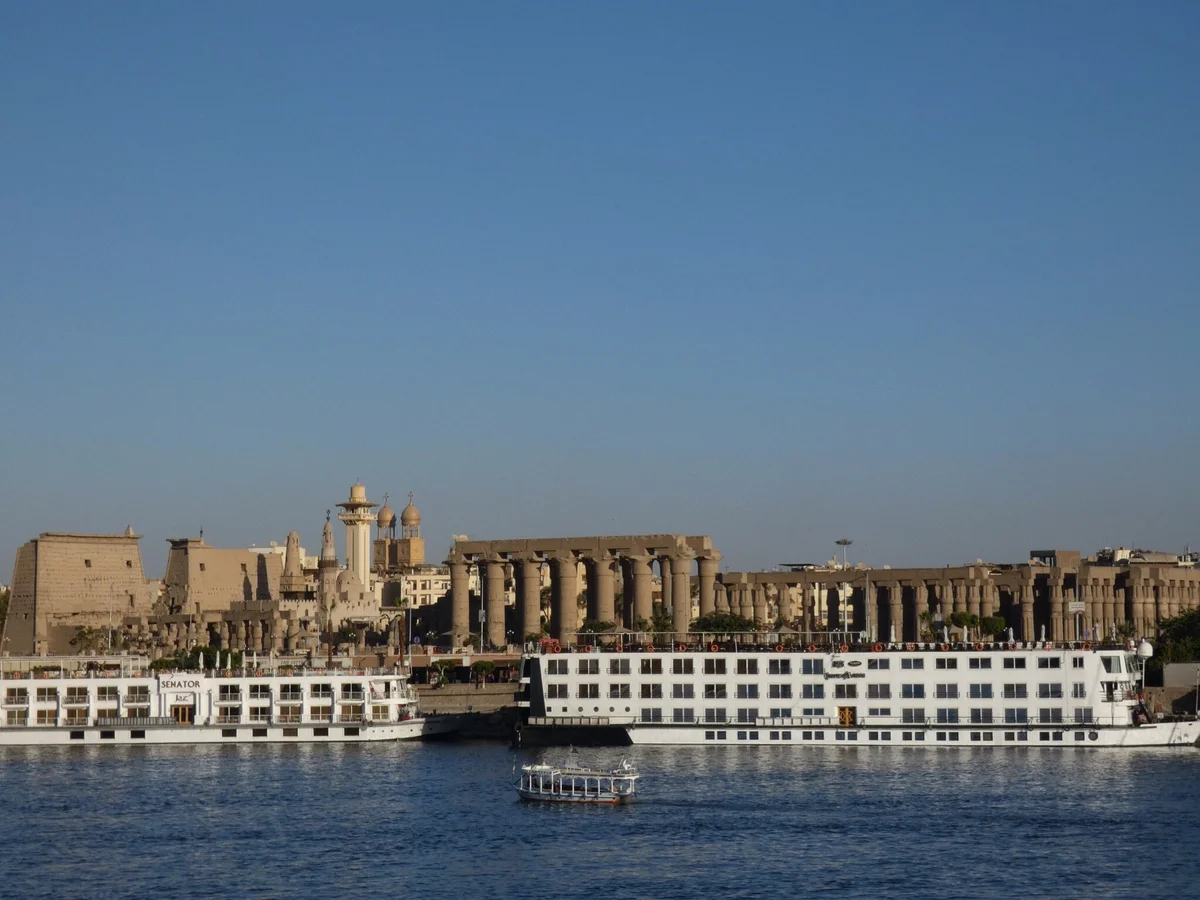
The Nile corniche between Luxor Temple and the river promenade sees steady foot traffic from dawn until late evening, with local families, vendors, and international visitors sharing the same public spaces. Tourism police stations sit at quarter-kilometer intervals along the waterfront, and uniformed officers patrol the temple approaches and ferry landings throughout daylight hours. The physical layout of the corniche—wide sidewalks, open sightlines, and continuous lighting after sunset—reduces isolated pockets where travelers might feel vulnerable. Luxor's economy depends almost entirely on heritage tourism, which creates both advantages and friction points for visitors. Aggressive selling tactics from felucca captains, souvenir vendors, and unofficial guides are common near temple entrances and along the riverfront, but these interactions rarely escalate beyond verbal persistence. Travelers who establish firm boundaries and walk confidently toward their destination typically navigate these encounters without difficulty. Registration systems for official guides and licensed felucca operators exist, though enforcement varies; asking hotel concierges or established tour operators for vetted contacts reduces the likelihood of pricing disputes or service quality issues. Health infrastructure in Luxor includes private clinics accustomed to treating foreign visitors, and pharmacies stock international medication brands. Tap water along the Nile is not potable; bottled water remains the standard for drinking and tooth-brushing. Heat-related illness during summer months poses a more immediate risk than crime, with midday temperatures exceeding 40°C between June and August. Visitors exploring the riverfront during those months should carry water, wear sun protection, and plan outdoor activities for early morning or late afternoon hours. Political stability in Upper Egypt has remained consistent since 2016, with no significant incidents affecting tourist zones in recent years. The Egyptian government maintains checkpoints on highways connecting Luxor to other governorates, and convoys occasionally escort group tours between cities, though independent travelers move freely within Luxor itself. Embassy travel advisories for Egypt typically classify Luxor as lower-risk than border regions or the Sinai Peninsula. Standard travel insurance covers medical evacuation and trip interruption, and most international providers maintain assistance networks in the city.
“The physical layout of the corniche—wide sidewalks, open sightlines, and continuous lighting after sunset—reduces isolated pockets where travelers might feel vulnerable.”
Luxor maintains a consistent security presence along the Nile to ensure the well-being of residents and visitors. Travelers frequently report a stable environment when navigating the river and its surrounding districts.
The Nile has served as a central artery for Egyptian civilization for millennia, fostering a deep-rooted cultural emphasis on hospitality and tourism protection.
The Egyptian Ministry of Tourism and Antiquities maintains a dedicated police force that monitors the Nile Corniche and river transit points regularly.
International travel advisories frequently categorize Luxor as a stable destination, noting the heavy presence of security personnel in primary sightseeing zones.
Data from global safety indices consistently rank Luxor as having low rates of violent crime against tourists compared to other major international travel hubs.
The Nile is a public waterway where security protocols are integrated into the daily operations of licensed river transport and sailing services.
Local residents and business owners along the Corniche often provide a self-regulating environment, as the tourism economy is central to the city's financial stability.
The best arrival window is 06:00–18:00 to utilize daylight for river visibility and to avoid the peak heat of midday. Planning your visit within these hours ensures optimal conditions for navigating the Nile.
Mild temperatures, 20°C to 28°C
These months offer the most comfortable climate for outdoor activities along the Nile.
High heat, 35°C to 42°C
Travelers should prioritize early morning hours to avoid intense afternoon heat.
—
Mid-week mornings provide quieter periods on the river compared to weekends.
Verdict: The best period to visit is from October to April, specifically arriving within the 06:00–18:00 window to balance comfortable temperatures with optimal visibility.
Respectful conduct along the Nile helps maintain safety and positive interactions with locals. These guidelines address river-specific etiquette and cultural norms in Luxor.
The Nile River is located at Corniche El Nil, which runs along the east bank of the city. Taxis and walking are the most common methods for reaching the waterfront.
Direct to Corniche El Nil
From Luxor Temple via Corniche El Nil
Parking available near Al-Mahatta Square
Focus your arrival on the area near Luxor Temple or the central Corniche, where pedestrian access to the riverbank is most direct.
The Nile River at Corniche El Nil is a public waterway accessible to visitors throughout the week. Access remains consistent regardless of the day.
Everything you need to know about is luxor egypt safe
Luxor is generally considered a secure destination for international travelers enjoying the Nile River. Standard travel precautions applicable to any major tourist city remain the most effective way to ensure a positive experience.
When evaluating if luxor egypt safe, it is helpful to note that the riverbanks are well-monitored by local authorities. Stick to registered operators and public areas to maintain a secure environment during your river excursions.
Felucca rides are a common and peaceful way to view ancient sites from the water. Booking through established providers ensures you receive a professional captain familiar with river navigation and safety protocols.
Local residents in Luxor are accustomed to visitors and often provide a welcoming atmosphere. Respecting local customs and dressing modestly are simple steps that contribute to the overall perception that is luxor egypt safe.
Utilizing established transit services or walking along the Corniche during daylight helps manage your logistics effectively. Avoiding unofficial or unvetted boat captains keeps your travel plans organized and secure.
The best light for river scenery occurs between 06:00 and 18:00, which is also when the area is most active and visible. Navigating during these hours is recommended for the best experience and overall comfort.